
Modern assisted living communities can reduce environmental impact without compromising comfort, safety, or quality of care. Practical measures such as efficient heating, careful water use, less waste, healthier landscaping, and thoughtful transportation planning can also improve daily life for residents.
What does an eco-friendly assisted living community do?
An eco-friendly community manages energy, water, food, supplies, buildings, and outdoor areas in ways that reduce unnecessary waste. The goal is not simply to add recycling bins or install solar panels. A meaningful approach considers how environmental choices affect residents’ comfort, routines, health, and independence.
Common practices may include:
- High-efficiency heating and cooling systems
- LED lighting and occupancy sensors
- Water-saving fixtures and leak detection
- Recycling and food-waste reduction
- Seasonal meal planning
- Nontoxic or lower-odor cleaning products
- Native or low-maintenance landscaping
- Better insulation and weather sealing
- Durable furniture and building materials
- Transportation planning that reduces unnecessary trips
In Pennsylvania, assisted living residences must still meet health, safety, sanitation, medication-handling, and emergency-preparedness requirements. Environmental improvements should support those obligations rather than interfere with them.
How can energy efficiency improve resident comfort?
Energy efficiency is most useful when it creates a steadier indoor environment. In an older adult community, extreme temperatures and drafts can be more than an inconvenience. They may affect sleep, mobility, hydration, and general well-being.
A well-managed building may use:
- Programmable heating and cooling controls
- Regular maintenance of boilers, heat pumps, furnaces, and air-conditioning equipment
- Insulation in attics, walls, and exposed pipes
- Weather stripping around doors and windows
- Window coverings that reduce summer heat and winter heat loss
- Efficient lighting that improves visibility in hallways and common areas
For a community in Churchill, seasonal changes make building performance especially relevant. Cold winter weather, wet spring conditions, and humid summer days can increase heating, cooling, and maintenance demands. Energy planning should account for safe indoor temperatures, reliable backup systems, and clear procedures during power interruptions.
Efficiency does not mean keeping rooms uncomfortably cool or warm. A responsible program measures energy use while also responding to resident feedback and clinical needs.
Are solar panels necessary for a community to be sustainable?
No. Solar energy can be useful, but it is only one part of environmental planning. A building may achieve meaningful improvements through insulation, efficient equipment, reduced food waste, and careful water management even without solar panels.
Before considering renewable energy, a community generally benefits from reducing avoidable energy use first. For example, repairing air leaks or replacing outdated lighting may improve efficiency throughout the year. Solar installations also require an assessment of roof condition, structural capacity, snow management, shading, emergency procedures, and local electrical requirements.
Residents may reasonably ask whether renewable energy systems would continue operating during an outage. In many cases, solar panels alone do not provide backup power unless paired with properly designed storage and electrical controls. Emergency power planning remains a separate safety issue.
How do assisted living communities reduce water waste?
Water conservation can lower utility use and reduce the energy required to heat and treat water. Useful measures include low-flow fixtures, automatic shutoff controls in selected areas, efficient laundry equipment, and prompt repair of leaking toilets or faucets.
Water-saving efforts should be designed carefully. Residents may need extra time for bathing, assistance with personal care, or access to water because of medication effects or health conditions. Conservation should never limit hydration, hygiene, or dignity.
Outdoor water use can also be managed through:
- Native or regionally suitable plants
- Mulch that helps retain soil moisture
- Rain gardens or other stormwater features where appropriate
- Watering during cooler parts of the day
- Irrigation controls that respond to rainfall
- Reduced lawn areas that require frequent mowing and watering
In a developed community such as Churchill, managing runoff from roofs, paved walkways, and parking areas can help reduce erosion and standing water. Outdoor paths should remain well-drained, level, and safe in every season.
What happens to food waste and disposable supplies?
Dining operations often generate a substantial amount of waste, but reduction must be balanced with food safety and resident choice. Better practices may include preparing smaller initial portions, offering flexible serving sizes, tracking frequently refused foods, and using safe procedures for storing appropriate leftovers.
Food waste may be reduced by:
- Planning menus around resident preferences
- Using seasonal ingredients when practical
- Separating food scraps where composting is available
- Donating unopened, allowable items through appropriate channels
- Avoiding unnecessary single-use packaging
- Purchasing commonly used items in efficient quantities

Assisted living communities also use disposable gloves, protective equipment, cleaning materials, and medical-related supplies. These items cannot all be recycled, and some require special handling. Waste should be separated according to safety rules rather than placed in recycling containers simply because it appears recyclable.
Expired or discontinued medications require particular care. They should be managed through approved procedures that protect residents, staff, wastewater systems, and the environment.
Can green cleaning products be safe for older adults?
Lower-impact cleaning products may reduce strong odors and exposure to certain chemicals, but “green” on a label does not automatically mean safer or more effective. Products must still disinfect appropriately, control infection risks, and follow manufacturer instructions.
A thoughtful cleaning program considers:
- Whether a product is needed for the task
- Proper dilution and storage
- Ventilation during use
- Fragrance sensitivity
- Slip hazards from residue
- Compatibility with flooring and equipment
- Training for anyone handling the product
Residents with asthma, allergies, or fragrance sensitivity may notice cleaning practices more than others. Clear communication about cleaning schedules and temporary odors can help reduce discomfort and confusion.
How can landscaping support both sustainability and safety?
Outdoor areas can provide shade, walking opportunities, gardening activities, and contact with nature. Sustainable landscaping may use durable plants, limit unnecessary lawn treatment, and reduce the need for frequent watering or chemical applications.
Safety remains the priority. Paths should have adequate lighting, stable surfaces, visible edges, and seating at reasonable intervals. Plants should not block walkways, create hidden areas, produce excessive pollen near entrances, or attract pests.
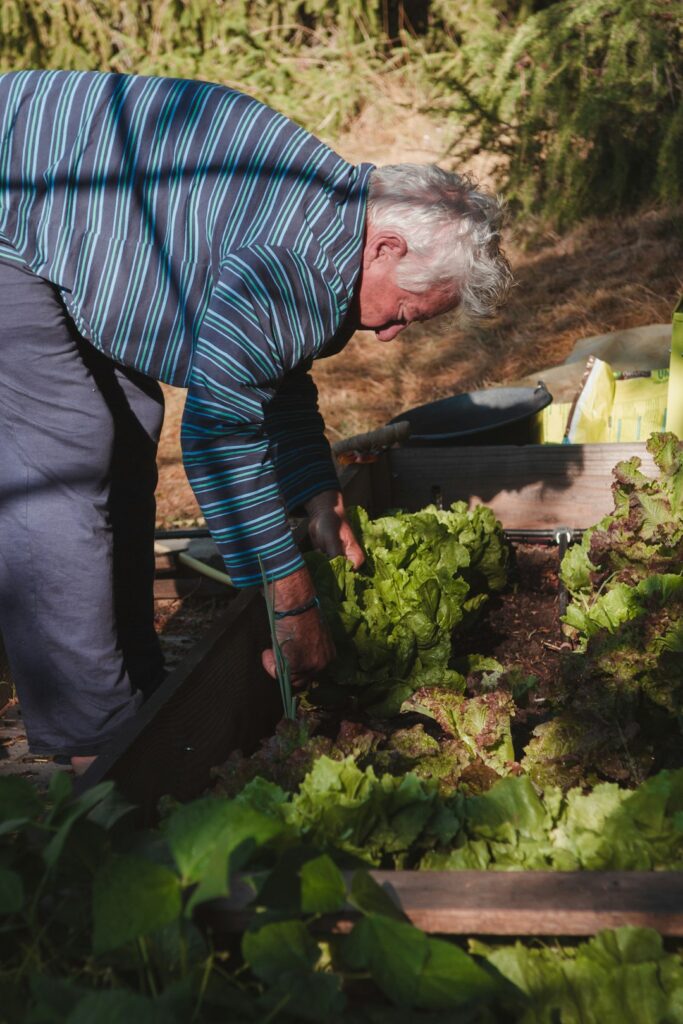
Gardens can also support resident engagement. Raised beds, container gardens, and small herb plots may be easier to reach and maintain than traditional garden beds. Participation should always be optional and adapted to individual mobility and endurance.
What questions should residents ask about environmental practices?
Residents and families do not need technical knowledge to evaluate a community’s approach. Useful questions include:
- How are heating and cooling systems maintained?
- What happens during a power outage or severe weather event?
- How are leaks and water damage reported?
- Which materials are recycled, and which cannot be recycled?
- How is food waste handled?
- Are outdoor areas maintained without creating slippery surfaces or blocked paths?
- How are cleaning products selected and stored?
- Does sustainability planning include resident comfort and accessibility?
- Are environmental goals measured, or are they only described generally?
The strongest programs can explain both their environmental goals and their practical limits. They recognize that reliable care, safe temperatures, clean surroundings, nutritious food, and emergency readiness must come first.
